

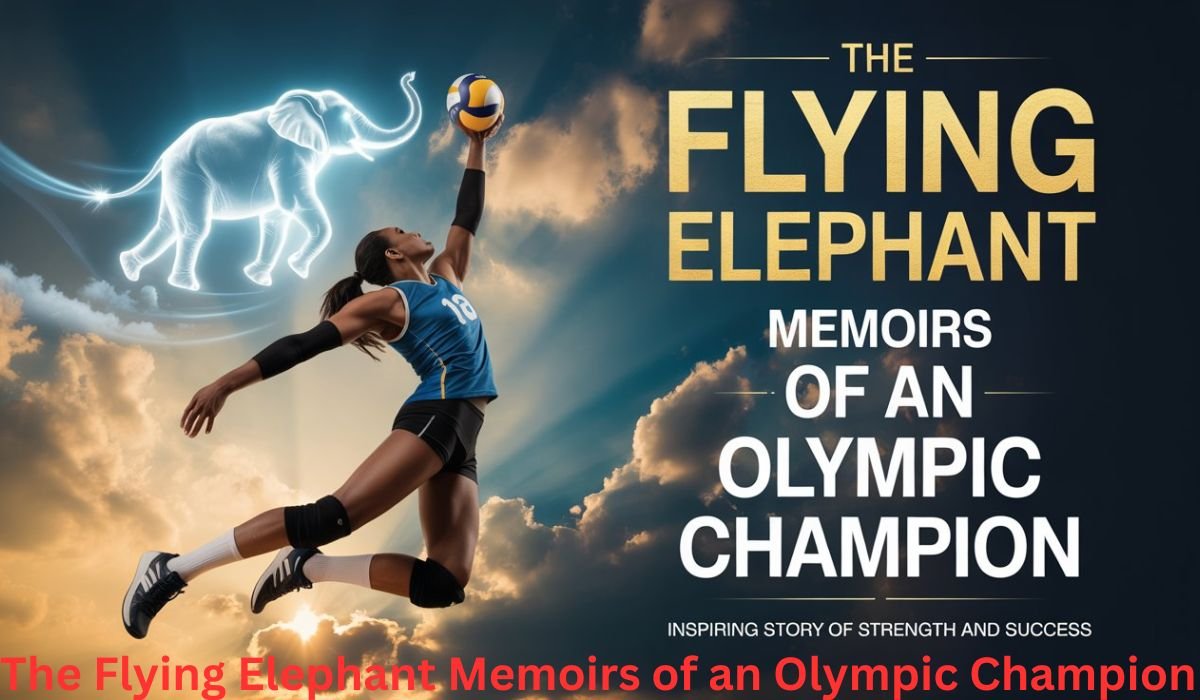
Some stories don’t just inspire, they instruct. The Flying Elephant Memoirs of an Olympic Champion is one of those rare books that pulls back the curtain on what elite performance truly looks like. It’s raw, real, and deeply practical for anyone chasing a goal.
This is the story of Alexander Savin, an Olympic volleyball champion who brought home a Gold Medal at the 1980 Summer Olympics. More than a sports memoir, it’s a detailed map of sacrifice, structure, and the quiet habits that separate champions from everyone else.
Alexander Savin The Flying Elephant Memoirs of an Olympic Champion: Why This Book Matters

Most sports books sell inspiration. This one sells the truth. Alexander Savin doesn’t glamorize the process; he documents it with honesty that hits hard. That’s exactly what makes this sports memoir so rare and so valuable for readers today.
It matters because it addresses Olympic-level performance through a lens of systems, not shortcuts. If you’ve ever wondered what separates a good athlete from a great one, this book answers that question with precision and zero fluff.
Key reasons this book stands out:
- Focuses on athletic development over raw talent
- Documents real training systems used at the Olympic level
- Covers sports psychology without oversimplifying it
- Written from lived experience, not theory
| Feature | Details |
| Author | Alexander Savin |
| Sport | Professional Volleyball |
| Olympics | 1980 Summer Olympics |
| Medal | Gold Medal |
| Key Theme | High-Performance Training |
The Meaning Behind “The Flying Elephant” in The Flying Elephant Memoirs of an Olympic Champion
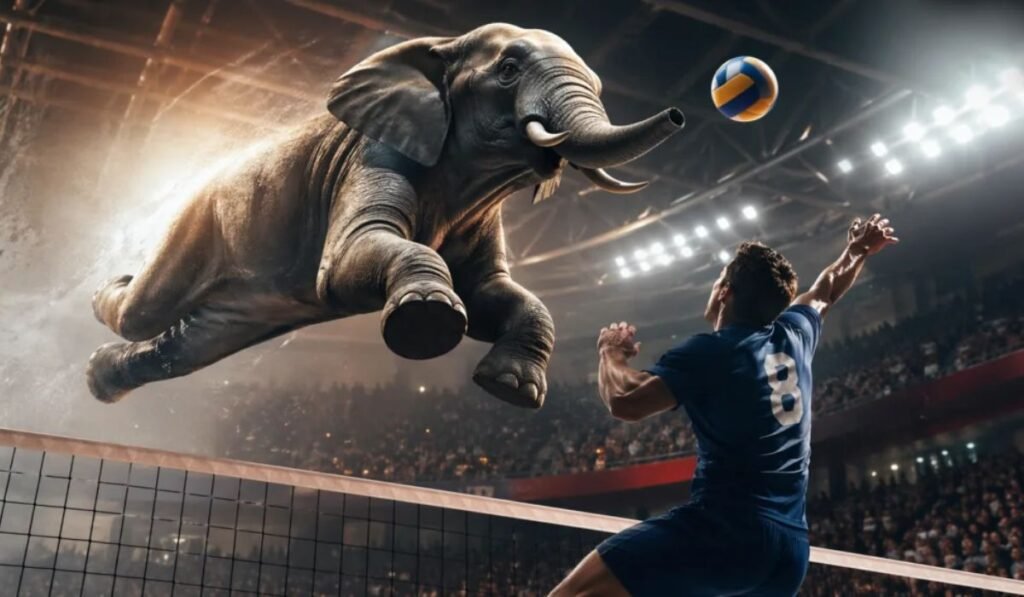
The title sounds almost playful. But it carries serious weight. A flying elephant represents something that defies expectation it shouldn’t happen, yet it does. That’s exactly what high-performance training builds in an athlete over time.
Savin used this symbol to reflect breaking limits that once felt permanent. Through structured training programs and iron-willed commitment, athletes transform into something beyond ordinary heavy like an elephant, yet capable of flight.
What the title symbolizes:
- Overcoming physical and mental ceilings
- The result of years of physical conditioning
- Developing mental strength in impossible moments
- Proof that systems beat natural limits
The Olympic Athlete Journey in The Flying Elephant Memoirs of an Olympic Champion
Savin didn’t arrive at the Olympics fully formed. His Olympic athlete journey started with stumbles, early losses, and lessons that only repetition could teach. Every phase of his career added a new layer to his foundation.
He moved through development, professional volleyball, and elite preparation in a way that felt almost scientific. His coaches built him deliberately phase by phase, never rushing what needed time.
Stages of his journey:
- Early skill foundation focused on skill development in volleyball and fundamental movement
- Professional phase introduced sports coaching principles and performance tracking
- Elite preparation sharpened volleyball techniques, volleyball strategy, and tactical awareness
- Olympic stage tested composure in sports under real pressure
| Phase | Focus Area | Key Outcome |
| Early Development | Fundamentals | Strong skill base |
| Professional Entry | Structure & Tactics | Systematic performance |
| Elite Preparation | Conditioning & Tactics | Match-ready athlete |
| Olympic Competition | Pressure & Composure | Gold Medal performance |
Training Systems Behind Olympic-Level Performance in The Flying Elephant Memoirs of an Olympic Champion
What made Savin’s training systems different was their structure. Nothing was accidental. Every drill, every session, every rest day was part of a deliberate framework built around sports science education principles that were ahead of their time.
Soviet-era training was ruthlessly efficient. Sessions covered endurance training, strength development, reaction speed, and tactical simulations all tracked, all measured, all designed to produce repeatable results under any condition.
Core pillars of the training system:
- Physical conditioning explosive power and endurance cycles
- Technical mastery drilling movements until they became automatic
- Tactical learning in sports studying opponents and reading patterns
- Mental conditioning building focus through pressure drills
| Training Pillar | Method Used | Goal |
| Physical | Endurance + Strength Cycles | Explosive Power |
| Technical | Repetition Drills | Automatic Execution |
| Tactical | Simulations + Film Study | Pattern Recognition |
| Mental | Visualization + Pressure Drills | Composure Under Stress |
- Athlete recovery routines were treated as seriously as training sessions
- Advanced drills replaced generic workouts at the elite level
- Match preparation was scenario-based, not generic
- Recovery cycles were built into every weekly plan
Discipline and Consistency in The Flying Elephant Memoirs of an Olympic Champion
Motivation gets you started. Discipline in sports keeps you going when motivation disappears. Savin hammered this point throughout the memoir: champions don’t rely on feelings, they rely on routines.
Consistency in training was his secret weapon. Same drills. Same timing. Same standards. Day after day, month after month. That repetition is what drove sports performance improvement at the highest level.
Habits that built his discipline:
- Fixed daily schedules with no exceptions
- Structured routines that left no room for guesswork
- Measuring every session for performance tracking
- Treating rest as part of the athlete training framework
Mental Strength and Athlete Psychology in The Flying Elephant Memoirs of an Olympic Champion
Physical training only takes you halfway. Athlete psychology takes you the rest of the way. Savin trained his mind with the same intensity he gave his body and that edge showed when it mattered most.
He built elite mental strength through visualization techniques, breathing control, focus drills, and emotional regulation. These weren’t soft add-ons. They were core tools that shaped how he performed under extreme Olympic competition environment pressure.
Mental tools Savin used regularly:
- Visualization techniques before every major match
- Breathing control to manage nerves mid-game
- Focus drills to sharpen attention during fatigue
- Emotional regulation to stay steady after mistakes
- Mental toughness in athletes built through repeated exposure to high-stakes scenarios
Team Dynamics and Teamwork in Volleyball
No one wins Olympic volleyball alone. Teamwork in volleyball isn’t just nice to have, it’s the entire game. Savin was clear about this: individual brilliance collapses without strong team dynamics beneath it.
What drove their success was team coordination, clear team communication strategies, and trust built over thousands of hours together. Leadership in sports meant pulling your teammates up, not standing above them.
Team success factors Savin highlights:
- Defined roles for every player
- Fast decision-making under match pressure
- Open communication in sports during high-stress moments
- Collective trust developed through shared training
The Olympic Competition Environment and Cold War Context
The 1980 Summer Olympics weren’t just a sporting event, they were a political statement. The Cold War sports context turned every match into something bigger than volleyball. Athletes weren’t just competing for medals; they were representing ideologies.
This pressure shaped the entire Olympic athlete journey for Savin and his teammates. National representation in the Olympics carried a psychological weight that demanded extreme mental conditioning and unshakable composure in sports at all times.
Cold War pressure points:
- Political stakes attached to every result
- Heightened media and government scrutiny
- Pressure of national representation in Olympics on every serve
- Greater emphasis on Olympic preparation than personal glory
Coaching Strategies and Knowledge Transfer in The Flying Elephant Memoirs of an Olympic Champion
Behind every great athlete is a great coaching system. Savin’s coaches didn’t just run drills, they built coaching methodology that passed knowledge from generation to generation through deliberate coaching knowledge transfer.
These coaching strategies were systematic and intentional. They shaped player development systems that still influence how elite volleyball teams train today. The coach-athlete relationship was built on trust, data, and clear performance expectations.
What made the coaching exceptional:
- Clear coaching strategies tailored to each athlete
- Emphasis on systems thinking over individual brilliance
- Structured player development systems with measurable milestones
- Coaching knowledge transfer through mentorship and documentation
Visual Sports Documentation and Historical Insight
A memoir is only as believable as its evidence. Visual sports documentation throughout the book adds authenticity that words alone cannot provide. These aren’t polished highlights, they’re real moments captured in training and competition.
Historical sports photographs bring the 1980 Summer Olympics era to life. They show the raw environment of Soviet-era training, the intensity of international sports competition, and the quiet moments between matches that define an athlete’s inner world.
What the visuals add:
- Real glimpses into elite athlete preparation
- Context for sports history during the Cold War era
- Proof of the structured training programs in action
- A window into international volleyball culture of the time
Practical Lessons from The Flying Elephant Memoirs of an Olympic Champion
This book isn’t just for athletes. Its lessons apply to business, leadership, and everyday life. Performance principles drawn from Olympic-level performance translate directly into how anyone can build better systems and habits.
Savin’s story teaches you to think in frameworks. Build the right structure, follow it consistently, and results become predictable. That’s systems thinking at its finest and it works far beyond international sports competition.
Practical takeaways for readers:
- Build structured routines before chasing big results
- Treat consistency in training as non-negotiable
- Use performance evaluation in sports principles to track personal growth
- Develop mental toughness in athletes style habits for daily challenges
- Apply performance under pressure techniques to real-life deadlines
Athlete Career Progression and Performance Evaluation
Careers don’t just happen, they’re built phase by phase. Athlete career progression in Savin’s case followed a deliberate arc: each stage prepared him for the next. Nothing was skipped. Nothing was rushed.
Performance evaluation in sports was central to this. Coaches measured everything, adjusted quickly, and kept improvement continuous. This approach rooted in sports systems and data is what turned potential into an Olympic gold medal.
Progression milestones Savin experienced:
- Foundational skills locked in early through volleyball drills
- Tactical growth driven by tactical learning in sports
- Physical peak reached through calculated physical conditioning
- Mental readiness sharpened through Olympic preparation protocols
| Career Stage | Key Metric | Evaluation Method |
| Youth Development | Skill accuracy | Coach observation |
| Professional Entry | Match performance | Stats + video review |
| Elite Competition | Tactical execution | Simulation scoring |
| Olympic Level | Pressure composure | High-stakes match data |
Importance of The Flying Elephant Memoirs of an Olympic Champion in Sports Literature
Few books in sports literature manage to be both deeply personal and technically rich at the same time. This memoir does both. It lives at the intersection of storytelling and sports science education making it essential reading for athletes and coaches alike.
Its value grows with time. As performance principles evolve, the foundation Savin describes built on discipline in sports, athlete development, and professional sports systems remains remarkably relevant to modern high-performance training environments.
Why it earns a place in sports literature:
- Combines personal narrative with technical depth
- Documents Soviet-era training for historical record
- Offers real insight into sports systems that produced champions
- Bridges sports history and modern athlete training framework thinking
Read Also This: Honest Reviews About Alaikas.com: Is It Worth Your Trust?
Connection to the International Volleyball Hall of Fame

Legacy isn’t just about what you win. It’s about what you leave behind. Alexander Savin’s contributions to professional sports systems and athlete development earned him a lasting place connected to the recognition of the International Volleyball Hall of Fame.
His influence on international volleyball extended well beyond the 1980 Summer Olympics. The coaching knowledge transfer, player development systems, and performance principles he embodied helped shape how the sport was taught and played for decades after his playing career ended.
His lasting legacy includes:
- Advancing volleyball techniques and volleyball strategy globally
- Influencing modern sports coaching principles
- Demonstrating that structured training programs produce repeatable excellence
- Inspiring future generations through authentic sports literature
Frequently Asked Questions
What makes this sports memoir so emotional?
Many readers love The Flying Elephant Memoirs of an Olympic Champion because it shares real struggles, training pressure, and emotional victories in simple storytelling style.
Why are people talking about this athlete story?
Sports fans discuss The Flying Elephant Memoirs of an Olympic Champion because it mixes Olympic success, personal sacrifice, and inspiring life lessons in a powerful memoir.
Is this book good for young athletes?
Young athletes enjoy The Flying Elephant Memoirs of an Olympic Champion because it teaches discipline, confidence, and persistence through honest experiences from competitive sports life.
Does this memoir talk about Olympic challenges?
Yes, The Flying Elephant Memoirs of an Olympic Champion explains difficult training sessions, mental pressure, injuries, and the hard road behind winning major Olympic competitions.
Why do readers find this memoir inspiring?
Readers feel motivated by The Flying Elephant Memoirs of an Olympic Champion because it shows determination, focus, and courage during difficult moments inside professional sports careers.
Can beginners enjoy reading this sports book?
Even new readers enjoy The Flying Elephant Memoirs of an Olympic Champion because the language feels simple, emotional, and easy to follow from beginning to end.
What lessons can readers learn from this memoir?
People learn about sacrifice, patience, and resilience from The Flying Elephant Memoirs of an Olympic Champion while understanding the reality behind international athletic success stories.
Conclusion
The Flying Elephant Memoirs of an Olympic Champion is not a book you read once and set aside. It’s a reference you return to. Alexander Savin’s story cuts through the noise and delivers something rare: a clear, honest look at what Olympic-level performance actually demands from a human being.
Whether you’re an athlete, a coach, or someone simply chasing a higher standard in life, this memoir speaks directly to you. The lessons around discipline in sports, mental strength, consistency in training, and systems thinking are timeless. Pick it up, study it, and build something worth remembering.
