

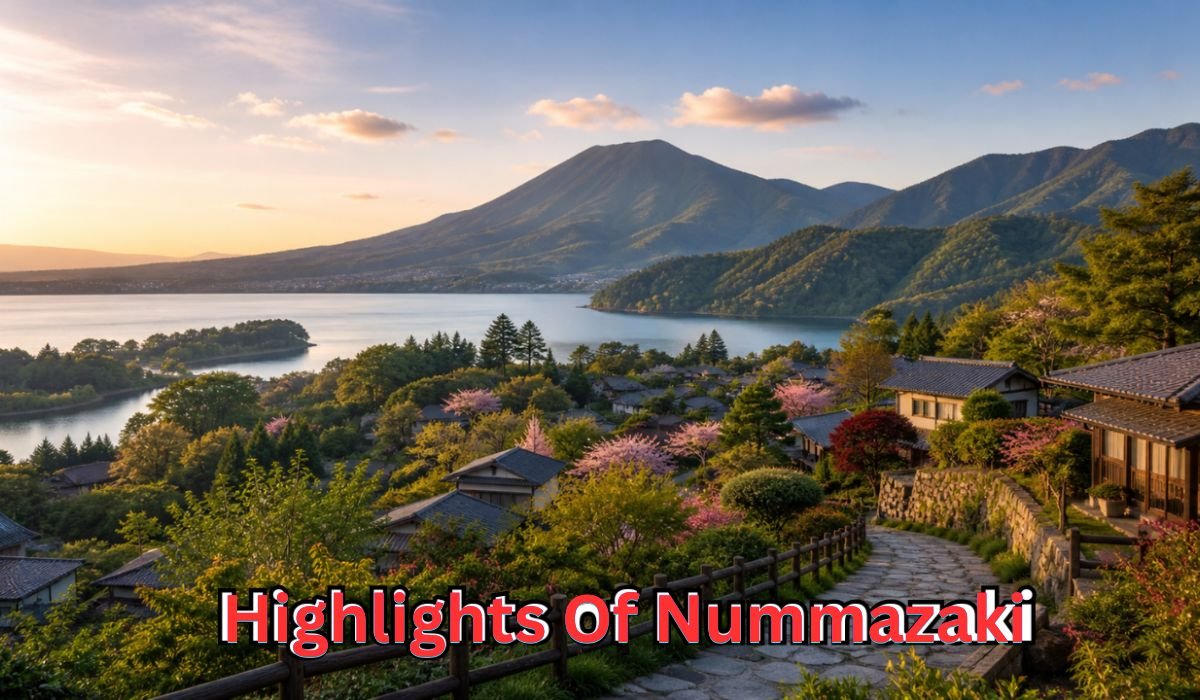
Nummazaki sits quietly along the edge of Suruga Bay, away from Japan’s crowded tourist trails. It is a place where fishing communities live by the tide, where pine groves meet a rugged coastline, and where the pace of life still feels genuinely human. This is a coastal paradise most travelers never find.
What makes it special is not one single thing. It is the combination of volcanic geography, sea air, morning markets, and fresh catch pulled straight from deep waters. If you are searching for an authentic travel experience that does not feel staged or polished, Nummazaki is exactly that kind of place.
Highlights of Nummazaki: Where Is Nummazaki?
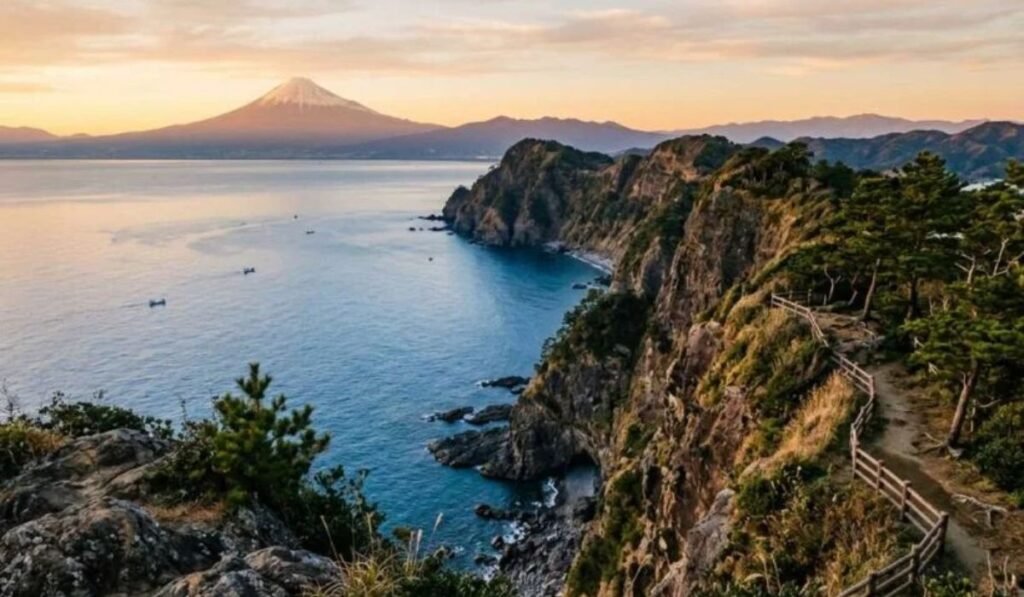
Nummazaki refers to the coastal zone along Suruga Bay in Shizuoka Prefecture, stretching toward the northern edge of the Izu Peninsula. It sits within easy rail travel reach of Tokyo (60–90 minutes), Kyoto (around 2.5 hours), and Shizuoka City (just 30 minutes).
This is one of the most accessible Japanese coastal destinations that still feels untouched. The bay itself is Japan’s deepest bay, dropping to roughly 2,500 meters a geological fact that shapes everything from marine life to fishing culture and coastal weather.
| City | Approximate Travel Time |
| Tokyo | 60–90 minutes |
| Kyoto | 2–2.5 hours |
| Shizuoka City | 25–35 minutes |
| Mishima | 15–20 minutes |
- Located in Shizuoka Prefecture, central Japan
- Faces Suruga Bay, one of the world’s deepest bays
- Close to the Izu Peninsula and Numazu city
- Easily reached via Tokaido Shinkansen
Highlights of Nummazaki and Why This Coast Feels Different
This is not a polished resort strip. The shoreline here has real texture shaped by volcanic uplift, wave erosion, and geological compression over millions of years. You get coastal cliffs, rocky capes, narrow inlets, and hidden coves instead of identical resort beaches.
The second difference is the atmosphere. Fishing boats leave before sunrise. Pine-lined paths carry locals on their daily walk. Gulls circle over the harbor. There is no performance here, just panoramic ocean views, working waterfronts, and a seasonal atmosphere that changes beautifully with each month.
| Feature | Why Travelers Love It |
| Working waterfronts | Genuine local life, not tourism theater |
| Coastal landscapes | Volcanic cliffs, coves, and pine shores |
| Seasonal atmosphere | Each season offers something distinct |
| Off-the-beaten-path travel | Low crowds, high authenticity |
- No heavy commercial development along the coast
- Strong sense of hidden coastal paradise energy
- Panoramic ocean views without entrance fees
- Real fishing communities going about daily life
Nummazaki Attractions: The Scenic Coastal Landforms
The scenic coastal landforms here are a direct result of tectonic pressure between the Philippine Sea Plate and surrounding geological structures. The coast shifts dramatically, volcanic rock shelves, tide pools, wind-shaped pines, and suddenly elevated viewpoints all appear within short walking distances.
Forests and hills layer behind the shoreline, creating visual depth that flat coastlines simply cannot offer. Sunset conditions on the western-facing bay are particularly stunning, with the water turning silver before going gold. These are landscapes that stay in your memory long after you leave.
- Volcanic rock shelves exposed at low tide
- Tide pools filled with small marine creatures
- Wind-shaped pines leaning dramatically over the water
- Elevated viewpoints revealing the full bay panorama
Things to Do in Nummazaki: The Best Scenic Spots
Cape Ose
Cape Ose is a headland combining sacred space, coastal greenery, and jaw-dropping Mount Fuji views. A historic shrine sits within dense forest, and on clear mornings, the composition of bay and mountain is simply unforgettable.
Senbon Matsubara
Senbon Matsubara means “a thousand pines” , a long, pine-fringed beach walk near Numazu. It blends open Suruga Bay views, sea breeze, and a distant Mount Fuji backdrop. Locals walk here daily, which tells you everything.
Harbor Zones
The harbor zones around Numazu are often overlooked Nummazaki attractions. Walk slowly and notice fishing nets drying, market workers preparing the day’s catch, and small boats tied in rows. This kind of cultural immersion is rare and real.
| Attraction | Highlight |
| Cape Ose | Mount Fuji views + historic shrine |
| Senbon Matsubara | Pine-fringed beaches + coastal walks |
| Harbor zones | Fishing nets, boats, market workers |
Marine Life in Nummazaki: A Rare Underwater Environment
Because Suruga Bay drops so steeply, nutrient-rich deep waters support remarkable marine ecology. The bay is home to deep-water fish species, squid, crustaceans, migratory species, and pelagic fish that rarely appear near other Japanese coasts. Plankton-rich food chains support even marine mammals like dolphins.
For travelers, this creates genuine underwater interest. Options for coastal observation include snorkeling, kayaking, and harbor-based boat tours. Certain rocky edges produce excellent tide pools at low tide. Under rare seasonal conditions, bioluminescent organisms have been reported in nature’s own night show.
| Activity | Best Experience |
| Snorkeling | Rocky coves and shallow reef edges |
| Kayaking | Close-up coastal landform exploration |
| Boat tours | Broader Suruga Bay marine perspective |
| Tide pool walks | Marine biodiversity up close |
- Home to rare deep-water fish species near the surface
- Dolphins sighted offshore during seasonal migrations
- Bioluminescent organisms possible under specific conditions
- Marine biodiversity supported by unusual bay depth
Fresh Seafood: One of the Real Highlights of Nummazaki
The fishing economy around Numazu and Suruga Bay means food here is not performance, it is livelihood. Sashimi, grilled fish, shellfish dishes, seafood hot pot, and dried fish preparations are all built around what came off the boats that morning. The seasonal rotation keeps menus honest and fresh.
Japanese food culture in this region also brings local sake, pickled vegetables, coastal greens, seasonal citrus, and mountain herbs alongside every seafood plate. Coastal agriculture from surrounding hills adds rice, miso soup, and seasonal produce to complete a deeply satisfying meal structure.
- Sashimi prepared from same-day catch
- Grilled fish with coastal greens and rice
- Seafood hot pot in colder months
- Local sake brewed to match the coastal menu
Fishing Villages and Traditional Japanese Culture
The fishing villages around Nummazaki developed around tides, weather, and sea cycles. That rhythm still lives in the architecture, the harbor shrines, the family-run storefronts, and the quiet community-scale streets. This is traditional Japanese culture without a tourist filter over it.
Temples, small harbor shrines, and cultural rituals tied to the sea remain woven into everyday life. Local festivals follow harvest periods and shrine observances connected to the fishing calendar. Visitors who time their trip with a local festival get a rare glimpse of heritage tourism that still breathes.
- Harbor shrines dedicated to maritime safety
- Local festivals tied to fishing and harvest periods
- Maritime identity visible in architecture and daily habits
- Cultural rituals still practiced by local communities
Things to Do in Nummazaki for Active Travelers
Hiking trails follow elevated coastal ridges with views shifting between bay, headland, and forests and hills. These are not extreme routes; they suit sunrise walkers, photographers, and fans of slow travel who want movement with meaning. Cycling routes connect viewpoints and villages at a comfortable pace.
Kayaking along the scenic coastline reveals rock contours and hidden coves that walking cannot reach. Coastal walks remain the most rewarding activity of all the landscape changes gradually, rewarding patience. These are outdoor adventure options that match the unhurried spirit of the coast perfectly.
| Activity | Perfect For |
| Hiking trails | Views, photography, sunrise walkers |
| Coastal walks | Slow travel, scenery, daily rhythm |
| Kayaking | Cove exploration, marine life viewing |
| Cycling routes | Flexible scenic exploration |
Hot Springs, Onsen, and Wellness Tourism
After a day of coastal walks and salt air, an onsen is not a luxury, it is the natural ending. The wider Izu Peninsula and Shizuoka Prefecture coast has a deep hot springs tradition, with mineral-rich waters available near many stays. Some properties offer bay-facing baths with remarkable views.
Wellness tourism here goes beyond expensive spa treatments. Simple local bath houses deliver relaxation experiences that rival anything fancy. The combination of sea movement, walking, and warm water creates a physical and mental reset that tranquility and relaxation seekers travel long distances to find.
- Bay-facing baths with Suruga Bay views
- Mineral-rich waters with natural therapeutic properties
- Local bath houses offering affordable relaxation experiences
- Spa treatments available at select ryokan properties
Accommodation in Nummazaki: Where to Stay
Choosing between harbor-side and shoreline stays changes the whole trip. Ryokan options offer tatami rooms, regional meals, and a full authentic Japan experience. Minshuku family-run inns bring personal warmth and local conversation. Guesthouses serve budget-conscious travelers without sacrificing location.
Eco-friendly lodges are growing in popularity for eco-conscious tourism travelers who want their stay to support the local environment. Japanese inns of every size prioritize seasonal food and quiet atmosphere over flashy amenities. Location near the shoreline matters more than the size of your room.
| Type | Best For |
| Ryokan | Cultural immersion, tatami rooms |
| Minshuku | Local warmth, personal service |
| Guesthouses | Budget travel Japan |
| Eco-friendly lodges | Eco-conscious tourism |
Best Time to Visit Nummazaki
Spring travel in Japan brings mild temperatures, cherry blossoms, and fresh coastal greens along the shore. Summer coastal travel adds energy to warmer waters, active harbor life, and longer days for kayaking and coastal observation. Each season brings its own version of the coast.
Autumn foliage combines beautifully with calmer visitor numbers and softer light. Winter travel in Japan brings the sharpest visibility of the year, making it the best season for long-distance views of Mount Fuji rising over open water. Late autumn through early spring is the sweet spot for most travelers.
- Spring: Cherry blossoms + comfortable coastal walks
- Summer: Active atmosphere + warm snorkeling conditions
- Autumn: Best balance of weather and quiet
- Winter: Clearest Mount Fuji views of the year
How to Get to Nummazaki
From Tokyo, take the Tokaido Shinkansen to Mishima, then switch to local rail toward Numazu. Total journey: 60–90 minutes. From Kyoto, the same Tokaido Shinkansen heading east takes around 2 to 2.5 hours. Rail travel remains the smoothest option for most visitors.
Once there, local buses, taxis, rental cars, and bicycles all serve different needs. A rental car is worth considering if you want access to smaller hidden coves, early morning elevated viewpoints, or winding roads through forests and hills at your own pace.
- Tokaido Shinkansen to Mishima, then local rail to Numazu
- Local buses connect major coastal stops
- Rental cars recommended for flexible scenic exploration
- Bicycles available in select areas for short coastal loops
Nummazaki Itinerary: A Smart One-Day and Two-Day Plan
One day works best starting at the harbor before breakfast harbor life is most alive at dawn. Follow with a seafood meal near the port, then spend the afternoon at Senbon Matsubara or Cape Ose. Stay for the sunset conditions over Suruga Bay before heading back.
Two days allow proper slow travel. Day one covers harbor walks, sashimi, and accessible coastal paths. Day two opens space for elevated hiking trails, quieter shoreline edges, and cultural stops at harbor shrines or temples. Do not over-schedule this coast rewards tranquil atmosphere and unhurried attention.
- Day 1 morning: Harbor walk + fresh catch breakfast
- Day 1 afternoon: Senbon Matsubara coastal walk
- Day 2 morning: Cape Ose + Mount Fuji views
- Day 2 afternoon: Cultural village exploration + onsen
Sustainable Tourism and Environmental Awareness
Shoreline habitats, tide pools, and marine biodiversity here are genuinely fragile. Responsible visitors reduce plastic waste, stick to marked paths, and avoid disturbing coastal observation zones. Sustainable travel practices support both the environment and the fishing communities that depend on healthy coastal waters.
Eco-tourism and conservation are not abstract ideas here; they are practical necessities. Supporting small local businesses, choosing eco-friendly lodges, and respecting shrine observances and natural spaces all contribute directly to environmental awareness that keeps Nummazaki worth visiting for future travelers.
- Avoid disturbing tide pools and marine life zones
- Reduce plastic waste along beach and harbor areas
- Support local fishing communities through direct purchases
- Choose eco-conscious tourism accommodation where possible
Read Also This: Pushwiki com: The Ultimate Knowledge Sharing and Collaboration Platform
Why Visit Nummazaki?
Nummazaki does not try to impress you with size or spectacle. It impresses with layered landscapes, real fishing communities, pine-fringed beaches, and a coastal paradise feeling that quieter travelers specifically search for. The Mount Fuji views on clear days are simply a bonus on top of everything else.
This is off-the-beaten-path travel that does not require complicated logistics. Family-friendly travel, budget travel Japan, and solo slow travel all work equally well here. The visual depth of the coast, the salt air, the open water combine into something that most busy destinations simply cannot manufacture.
Frequently Asked Questions
What Makes This Coastal Spot Special?
Many travelers love quiet ocean views and peaceful walks. Nummazaki gives calm beaches, sea air, and relaxing sunset moments.
Is This Place Good for Photography?
People often ask about scenic photo spots near the coast. Nummazaki has rocky shores, blue water, and beautiful sunrise pictures.
Can Families Enjoy Time Here?
Visitors want safe and calm places for weekend trips. Nummazaki feels peaceful for families, couples, and nature lovers alike.
What Is the Best Time to Visit?
Travelers usually look for pleasant weather and clear skies. Nummazaki looks most beautiful during spring and early autumn seasons.
Are There Quiet Walking Areas Nearby?
Many tourists search for less crowded coastal walking paths. Nummazaki offers slow seaside walks with relaxing ocean sounds every day.
Why Do Travelers Talk About This Area?
People enjoy hidden places away from busy tourist crowds. Nummazaki gives a calm atmosphere that feels simple and refreshing.
Is This Destination Worth Visiting?
Travel fans often search for unique coastal experiences in Japan. Nummazaki is worth visiting for peaceful views and natural beauty.
Conclusion
Nummazaki rewards the kind of traveler who slows down. The Suruga Bay coast, Shizuoka Prefecture atmosphere, and genuine fishing communities create an experience that feels earned rather than packaged. Salt air, pine trees, and early morning harbor energy stay with you long after you leave Japan.
If you want panoramic ocean views, an authentic Japan experience, real seafood, and a coast that breathes with its own rhythm, this is your destination. Nummazaki is not hidden by accident; it is simply waiting for the right kind of traveler to arrive and pay attention.
