

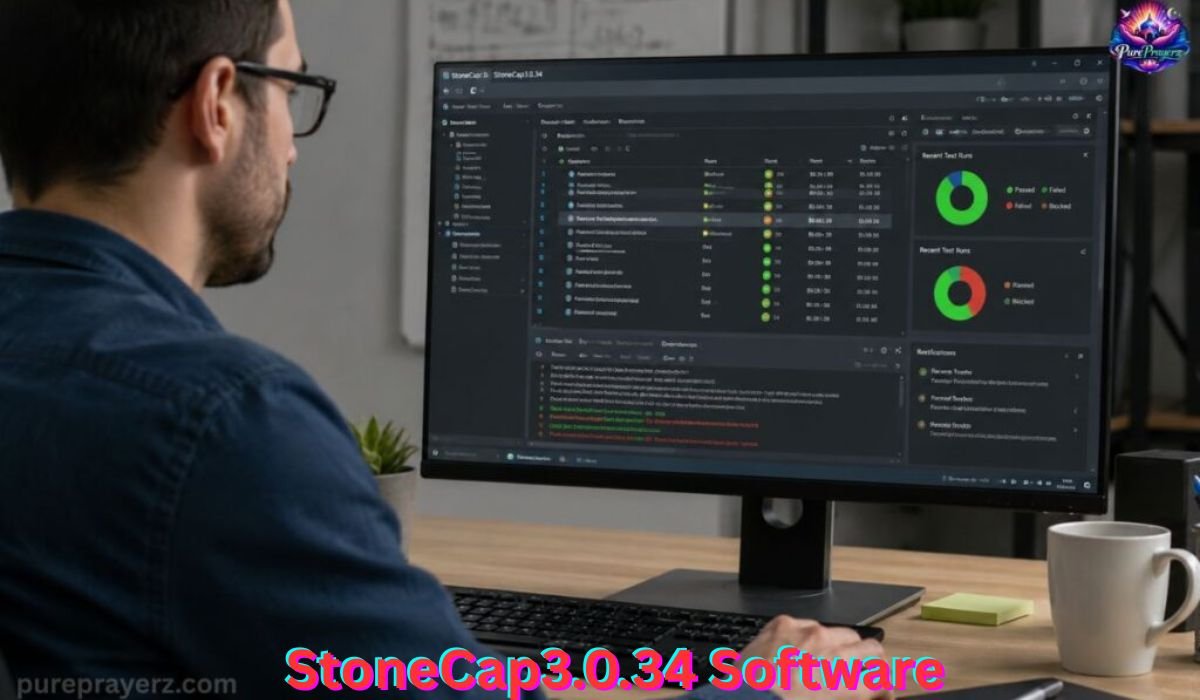
If you’re working in software development, you already know how important it is to test your product before shipping it. Testing StoneCap3.0.34 brings a fresh, structured approach to the entire software testing process, making it easier for teams to catch issues early and deliver reliable builds consistently.
Getting started with the right mindset matters a lot. Teams that apply proper quality assurance techniques from day one tend to build better products, face fewer rollbacks, and earn more user trust. This guide breaks everything down in a simple, friend-to-friend way.
What is Testing StoneCap3.0.34 Software?
Testing StoneCap3.0.34 is a structured approach to evaluating how well your software performs, behaves, and holds up under real conditions. It combines software validation methods with practical testing strategies to ensure every feature works as intended before release.
Think of it as a safety net. By using software defects detection techniques built into this platform, your team can identify and fix problems before they ever reach end users saving time, money, and reputation.
- Validates system functionality end-to-end
- Detects software bugs in early stages
- Supports continuous improvement across releases
- Aligns with modern QA engineers workflows
Key Features of StoneCap3.0.34 Software
One of the biggest strengths of StoneCap3.0.34 is its powerful built-in support for automated testing tools and seamless integration with modern CI/CD testing pipeline setups. Teams can run tests faster without sacrificing accuracy or coverage.
The platform also delivers strong application performance monitoring and supports a cloud-based testing environment, giving teams real flexibility across projects of all sizes and complexities.
| Feature | Benefit |
| Automated Testing | Faster, more accurate results |
| Cloud Environment | Scalable and flexible setup |
| CI/CD Integration | Continuous delivery support |
| Performance Monitoring | Real-time system insights |
- Built-in cross-platform compatibility
- Supports test automation frameworks
- Delivers real-time insights into system behavior
- Enables smooth software deployment
Preparing for Testing StoneCap3.0.34 Software
Good preparation is half the battle. Before you run a single test, verify your system meets the hardware and software requirements, check CPU usage limits, available memory, and storage capacity to avoid surprises during execution.
Also make sure all dependencies installation steps are completed and backups are created. Skipping prep work is one of the most common software testing process mistakes QA engineers make in fast-paced environments.
- Confirm hardware and software prerequisites
- Create full system backups before testing
- Document your starting configuration
- Establish a stable network connection
Setting Up the Testing Environment
A clean, well-configured test environment setup is non-negotiable for reliable results. This means setting up your hardware configuration, installing all required tools, and ensuring your network is stable and isolated from external interference.
Using a cloud-based testing environment adds scalability and flexibility that traditional local setups simply cannot match, especially for distributed teams.
| Environment Type | Best For |
| Local Setup | Small, controlled tests |
| Cloud-Based | Large-scale, distributed teams |
| Virtual Machines | Compatibility simulations |
| Containers | Lightweight, fast deployments |
- Use virtual machines for isolated testing
- Deploy containers for consistent environments
- Integrate monitoring utilities from day one
- Configure debugging utilities for faster issue resolution
Testing Methodologies for StoneCap3.0.34
Choosing the right testing methodologies makes all the difference. StoneCap3.0.34 supports system integration testing, software reliability testing, and user acceptance testing (UAT) each targeting a different layer of your application.
Combining multiple methods gives your team complete coverage. No single methodology catches everything, which is why a layered approach aligned with smart risk management principles works best for complex projects.
- Apply functional testing for feature validation
- Use performance testing for load behavior
- Include security testing for vulnerability checks
- Run usability testing for user experience feedback
Functional Testing
Functional testing confirms that every feature behaves exactly as specified. It checks inputs, outputs, and workflows to ensure software functionality meets defined requirements without logic errors or unexpected failures.
- Validates all core application features
- Uses structured test case management
- Supports reusable test cases for efficiency
- Reduces error detection gaps across modules
Performance Testing
Performance testing measures how your application handles stress. Key software performance metrics like CPU usage, RAM usage, throughput, and latency are tracked to identify bottlenecks before they hit production.
| Metric | What It Measures |
| CPU Usage | Processing load on the system |
| RAM Usage | Memory consumption during tests |
| Throughput | Requests handled per second |
| Latency | System response time |
- Use load testing tools for stress simulations
- Monitor memory consumption in real time
- Track processing load across test cycles
- Identify workload testing thresholds early
Compatibility Testing
Compatibility testing ensures your software works flawlessly across different devices, browsers, and operating systems. Cross-platform compatibility is no longer optional; it’s expected by every modern user and business client.
- Test across multiple OS platforms
- Use virtual machines to simulate environments
- Identify and fix compatibility issues quickly
- Ensure consistent software stability everywhere
Security Testing
Security testing protects your application from threats. It checks authentication, encryption, and system access controls to ensure that sensitive data stays protected and that no unauthorized access is possible.
- Identifies exposure to cyber threats
- Validates data protection mechanisms
- Tests encryption at every data layer
- Ensures strong authentication workflows
Usability Testing
Usability testing focuses purely on user experience and interface design. It reveals whether real users can navigate and complete tasks comfortably, without confusion or unnecessary friction slowing them down.
- Collects direct feedback from actual users
- Highlights interface design weaknesses
- Improves overall software quality perception
- Drives better product adoption rates
Streamlined Test Management
Strong test case management keeps everything organized and on track. Without a structured system, tests get duplicated, results get lost, and teams lose visibility into what has actually been validated and what hasn’t.
Using a reliable bug tracking system paired with structured workflows ensures nothing slips through the cracks. It also supports better workflow management across the full testing lifecycle.
| Management Tool | Purpose |
| Bug Tracker | Log and prioritize defects |
| Test Case Manager | Organize and reuse test scenarios |
| Workflow Automation | Speed up repetitive tasks |
| Dashboard Reporting | Track progress at a glance |
- Enables clear defect management process
- Supports workflow optimization across teams
- Tracks pass/fail rates for all test cases
- Reduces wasted effort through reusable test cases
Reporting and Metrics
Good reporting turns raw numbers into real decisions. Tracking software performance metrics, pass/fail rates, and defect identification counts gives stakeholders a clear picture of where the product stands at any given moment.
Clear software reports improve communication between developers, testers, and business leaders. They also make it easier to justify decisions, prioritize fixes, and plan future software deployment timelines with confidence.
- Track error detection rates per release
- Monitor defect identification trends over time
- Share clean software reports with stakeholders
- Use data to drive smarter software optimization
Common Issues and Fixes
Even with the best setup, problems happen. Installation errors, unexpected compatibility issues, and environment mismatches are among the most frequently encountered obstacles during the software testing process.
The good news is that most issues follow recognizable patterns. With the right debugging techniques, monitoring logs, and regular updates and patches, your team can resolve problems quickly and keep testing on schedule.
- Apply debugging techniques to isolate root causes
- Review monitoring logs after every test run
- Apply updates and patches to fix known bugs
- Document fixes to build a reusable knowledge base
Best Practices for Maximum Performance
Following proven best practices separates good teams from great ones. Integrating your testing into a CI/CD testing pipeline, using test automation frameworks, and maintaining clear documentation all contribute to long-term software efficiency.
Always prioritize workflow optimization and make use of automation scripts wherever manual effort can be reduced. Smart practices today protect your team from costly rework tomorrow.
- Automate repetitive tests with automation scripts
- Integrate early into the CI/CD testing pipeline
- Maintain up-to-date software validation methods
- Build structured workflows for every test cycle
- Leverage automated tests for regression coverage
Real-World Use Cases
StoneCap3.0.34 has proven its value across e-commerce, healthcare, and IoT industries. In one notable example, an e-commerce company used load testing tools to dramatically improve checkout performance and reduce page load time by 40%, boosting conversions significantly.
In healthcare, teams used software reliability testing to validate critical patient-facing systems before launch. For IoT deployments, cross-platform compatibility testing ensured consistent system behavior across hundreds of connected devices operating in different environments.
- Improved page load time in high-traffic platforms
- Enhanced checkout performance for retail clients
- Validated IoT device behavior at scale
- Ensured compliance in healthcare software systems
Performance Analysis & Limitations
Performance analysis inside StoneCap3.0.34 gives teams a clear view of CPU usage, memory consumption, and throughput trends. These real-time insights help pinpoint bottlenecks and support smarter software optimization decisions before issues escalate.
That said, the platform does come with some limitations. High resource consumption during heavy workload testing and integration challenges with older legacy systems can slow teams down if not planned for properly.
| Limitation | Impact | Suggested Fix |
| High Resource Use | Slows test machines | Use cloud-based environments |
| Integration Challenges | Delays workflows | Plan integrations early |
| Steep Learning Curve | Slows onboarding | Invest in training |
| Large Log Files | Hard to manage | Automate log rotation |
- Monitor processing load during stress tests
- Plan for integration challenges in advance
- Optimize response time through configuration tuning
- Use monitoring utilities to track resource trends
Read Also This: Tigorshow com Exploring Digital Entertainment, Streaming Trends, and Online Media Culture
Advanced Tips & Tricks
To truly get the most from StoneCap3.0.34, go beyond basics. Use automation scripts, build reusable test cases, and tightly integrate with your CI/CD testing pipeline for maximum speed and software efficiency across every sprint.
Smart testing strategies like parallel test execution, workflow optimization, and proactive application performance monitoring can dramatically cut testing time while improving overall software quality and team output.
- Run automated tests in parallel to save time
- Build a library of reusable test cases
- Use debugging utilities to speed up root cause analysis
- Monitor system behavior continuously with real-time dashboards
- Apply defect management process consistently across all sprints
Frequently Asked Questions
How can I improve software testing skills?
Learning automation and bug tracking becomes easier with Testing StoneCap3.0.34 Software for daily practice and performance testing.
Why do developers use modern testing tools?
Many teams trust Testing StoneCap3.0.34 Software because it helps detect errors quickly and improves software stability during development.
Which software helps with application performance checks?
Experts recommend Testing StoneCap3.0.34 Software for monitoring speed, finding glitches, and improving application quality before launch.
Can beginners learn software testing easily?
Yes, beginners can understand workflows faster using Testing StoneCap3.0.34 Software with simple tools and user-friendly testing features.
What tool helps reduce software bugs quickly?
Companies prefer Testing StoneCap3.0.34 Software because it supports accurate debugging and helps maintain smooth software performance consistently.
How do testers check software quality effectively?
Professional testers rely on Testing StoneCap3.0.34 Software to run quality checks, automate tasks, and improve testing accuracy daily.
Which platform supports secure software testing?
Many developers choose Testing StoneCap3.0.34 Software for secure testing environments and better protection against software vulnerabilities during testing.
Conclusion
Testing StoneCap3.0.34 is not just a task, it’s an investment in long-term software success. When teams apply the right testing methodologies, use smart automated testing tools, and follow consistent quality assurance techniques, the results speak for themselves through fewer bugs, faster releases, and happier users.
Every step in this process from test environment setup to defect identification and software reliability testing plays a vital role. With the right tools, habits, and mindset, your team can achieve real continuous improvement and deliver software that truly stands the test of time.
