


Have you ever stumbled across a flower name online that seemed oddly specific yet impossible to verify? That is exactly the case with the Boylecheloid Flower. It has been circulating across online discussions and social media posts for quite some time now, leaving many garden lovers genuinely confused.
The truth is, no verified botanical source confirms this flower’s existence. Many internet users have searched for it, shared floral images under this label, and even written about it on low-authority websites all without a single piece of real scientific documentation to back it up. It is a classic case of a myth growing louder than the facts.
Scientific Classification and Botanical Verification
When botanists identify a plant, they rely on strict classification systems that assign every species a genus, species, and family naming conventions. These systems ensure that every plant has a traceable, verified identity in the scientific world.
The Boylecheloid Flower does not appear in any taxonomic databases, global plant registries, or herbarium collections. In formal botany, a plant without classification simply does not exist no matter how many times it trends online.
Key botanical verification facts at a glance:
| Criteria | Boylecheloid Flower | Real Plant Species |
| Taxonomic Database Entry | Not found | Always present |
| Herbarium Record | None | Documented |
| Scientific Classification | Absent | Genus + Species assigned |
| Botanical Institution Recognition | No | Yes |
- No botanical institutions have ever listed or reviewed it
- Missing from every major herbarium record globally
- Cannot be assigned genus or species under any known family
- Fails all plant verification standards used by researchers
Possible Link to the Cosmos Flower

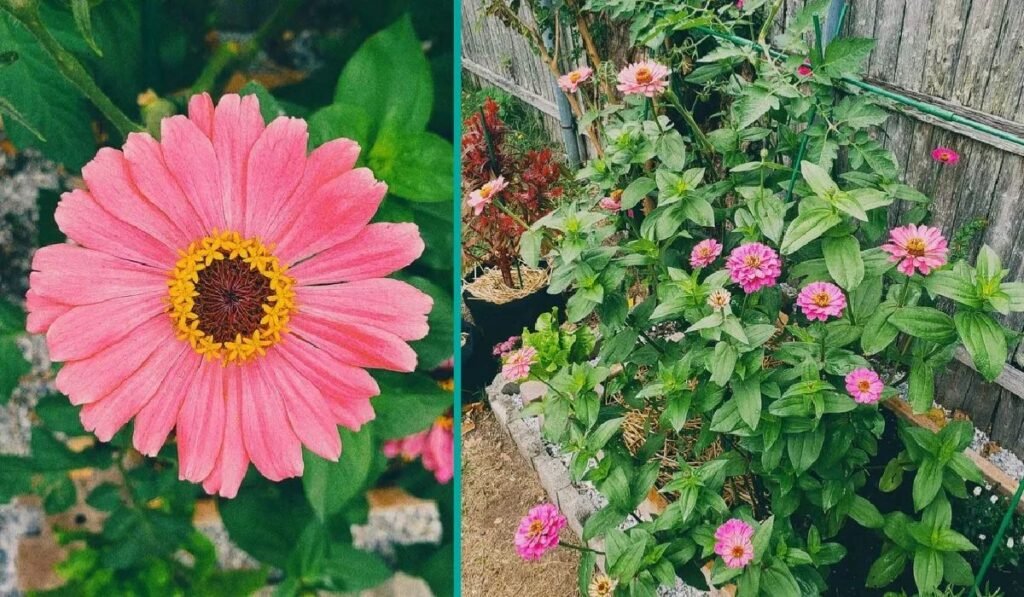
Many plant experts believe the Boylecheloid Flower confusion may actually point toward the Cosmos flower, scientifically known as Cosmos bipinnatus. This ornamental plant is beloved worldwide for its delicate petals and striking bright colors that photograph beautifully.
The visual overlap between Cosmos varieties and the supposed Boylecheloid Flower descriptions is hard to ignore. When internet users encounter unlabeled or mislabeled floral images, they often assign invented names and over time, those names gain traction through repeated sharing.
| Feature | Boylecheloid Flower | Cosmos Flower |
| Scientific Recognition | Not verified | Officially recognized |
| Botanical Classification | None | Cosmos bipinnatus |
| Existence | Myth/Unconfirmed | Real plant species |
| Common Usage | Internet term | Garden ornamental flower |
| Found in Gardens Worldwide | No | Yes |
- Often mistaken due to similar petal shape and colorful petals
- Cosmos bipinnatus thrives in gardens worldwide and is easy to grow
- Misidentification happens most when image-based searches return unlabeled results
- Cosmos varieties come in pink, white, and red often visually striking online
Expert Botanical Opinions and Evidence
Plant researchers and professional botanists are consistent in their view that the Boylecheloid Flower holds zero academic credibility or biological credibility in the scientific community. It simply does not meet any standard for botanical recognition.
Experts explain that if a plant name cannot be traced to a classification system or an official herbarium record, it has no standing in botanical literature. This makes the Boylecheloid Flower nothing more than a fictional label born from internet confusion.
What botanical experts look for in plant verification:
| Evidence Type | Required for Valid Species |
| Herbarium Specimen | Yes |
| Published Botanical Name | Yes |
| Peer-Reviewed Classification | Yes |
| Verified Taxonomy | Yes |
- Verified taxonomy is non-negotiable in plant science
- No entry exists in any verified plant databases for this flower
- The term is widely considered a fictional species in research circles
- Botanical evidence must include physical specimens, not just online mentions
- Plant verification requires multiple independent scientific confirmations
How to Identify Similar Ornamental Flowers
If you are genuinely searching for beautiful garden flowers that resemble what is described as the Boylecheloid Flower, you are probably looking at real ornamental flowers like Cosmos, daisies, or various wildflower varieties. These plants share soft, radiating petals that make them visually similar in floral images online.
Real flower identification comes down to studying petal shape, growth pattern, and leaf structure carefully. Relying on trusted scientific sources rather than random blog posts will always give you more accurate results when it comes to accurate identification.
Visual identification checklist for ornamental flowers:
- Check petal shape round, pointed, or layered?
- Observe leaf structure alternate, opposite, or whorled?
- Note the growth pattern upright, spreading, or climbing?
- Look up the scientific names in official botanical databases
- Cross-reference floral images with botanical sources before sharing
Common flowers often confused online:
| Flower | Scientific Name | Key Feature |
| Cosmos | Cosmos bipinnatus | Feathery leaves, bright blooms |
| Daisy | Bellis perennis | White petals, yellow center |
| Coneflower | Echinacea purpurea | Raised center, drooping petals |
| Black-Eyed Susan | Rudbeckia hirta | Golden petals, dark center |
Common Mistakes in Flower Identification
One of the biggest mistakes internet users make is relying entirely on image-based searches without ever checking scientific names. A visually appealing image paired with an invented caption can travel across platforms fast, especially when it lands on low-authority websites that reuse content without verification.
Another widespread error is trusting blog content without performing scientific reference checks. This is exactly how floral mislabeling spreads and how terms like Boylecheloid Flower gain enough momentum to appear legitimate in search engines.
Top mistakes to avoid in flower identification:
- Skipping botanical sources and trusting only visual content
- Assuming a trending flower taxonomy term must be real
- Sharing floral images without verifying scientific names
- Relying on online search trends instead of botanical databases
- Ignoring plant classification details when identifying garden flowers
- Accepting invented names from social media posts as factual
Reliable identification sources to always use:
- Official botanical databases and plant registries
- University herbarium websites with herbarium collections
- Peer-reviewed journals covering ornamental gardening
- Government agricultural extension resources
Read Also This: FeedBuzzard Code Explained Simply: Meaning, Uses & Full Guide
Case Study How Misnamed Flowers Go Viral
The story of the Boylecheloid Flower is a textbook example of how internet myths take root. It likely began with a mislabeled floral image posted somewhere online. As internet users shared and reshared it, the invented name gained traction eventually becoming a trending keyword in search engines without any scientific basis.
This is how viral plant names are born in digital spaces. Once a term gains enough search volume, content creators begin writing about it simply to capture traffic, further reinforcing the myth. Without digital literacy and commitment to plant verification, misinformation in the plant world spreads faster than the plants themselves.
How a flower myth goes viral the cycle:
- A mislabeled floral image gets posted on social media posts
- Users engage, share, and apply the invented names repeatedly
- Low-authority websites publish articles using the term for traffic
- Search engines begin ranking the term due to repeated queries
- The internet-generated term now looks like a real species to new users
- Without trusted scientific sources, the myth never gets corrected
Impact of viral flower misinformation:
- Erodes trust in online discussions about real plant species
- Makes accurate flower identification harder for everyday gardeners
- Drowns out legitimate botanical evidence in search results
- Encourages more floral mislabeling across digital spaces
Frequently Asked Questions
What Is This Rare Flower Called?
Many people search for strange flower names online. Boylecheloid appears in blogs and forums with confusing plant details.
Why Is This Flower Name Trending?
Social media posts often spread unusual flower stories fast. Boylecheloid became popular because users shared mysterious floral images online.
Can This Flower Be Found Naturally?
Garden lovers still question if this plant truly exists today. Boylecheloid is mostly linked with myths, digital art, and fake plant labels.
Why Do People Talk About This Plant?
Some websites describe it as a magical or fantasy flower species. Boylecheloid often appears in creative stories instead of science books.
Is This Flower Real Or Fictional?
People continue asking if botanists have confirmed the flower officially. Boylecheloid has no verified record in trusted botanical databases worldwide.
Why Does This Name Sound Scientific?
The unusual spelling makes the term appear like a real plant. Boylecheloid sounds scientific because of its complex and formal structure.
Where Did This Flower Name Start?
Internet users believe the name came from mislabeled floral photographs online. Boylecheloid spread through repeated sharing on blogs and social platforms.
Conclusion
The Boylecheloid Flower is a fascinating example of how quickly a myth can grow in the age of the internet. What likely started as a simple floral mislabeling on social media posts evolved into a globally searched term completely unsupported by any scientific documentation, botanical source, or verified taxonomy.
For anyone passionate about ornamental gardening or flower identification, the lesson here is straightforward: always rely on trusted scientific sources, check botanical databases, and verify scientific names before sharing information online. Real flowers like the Cosmos bipinnatus are stunning enough no fictional label needed.
